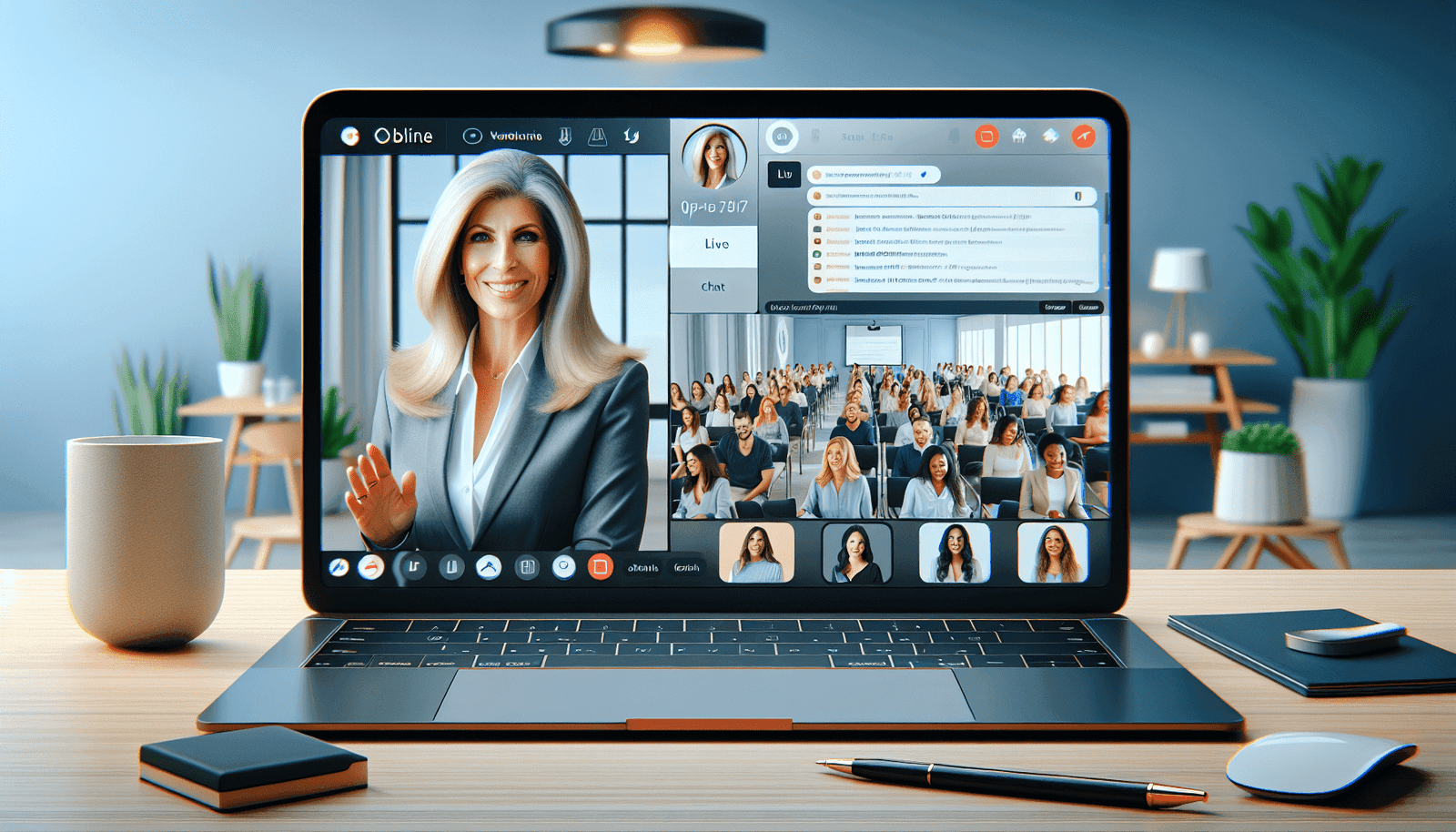
Welcome to “How Do I Use Webinars For Marketing?” If you’re curious about boosting your marketing strategy with interactive and engaging content, you’re in the right place. This article will guide you through the essentials of using webinars to attract and engage your audience, build meaningful connections, and ultimately drive conversions. Whether you’re a beginner or looking to refine your existing approach, our friendly advice and practical tips will help you master the art of marketing through webinars. With clear steps and proven techniques, you’ll be on your way to making webinars a vital part of your marketing toolbox. Have you ever wondered how you can make the most out of webinars to boost your marketing efforts? You’ve probably attended a few now and then and realized the potential they hold. If you haven’t started using webinars to complement your marketing strategy yet, you’re missing out on a powerful tool. In this article, we’ll dive deep into how you can utilize webinars effectively for marketing.
What is a Webinar?
Before we jump into the nitty-gritty, let’s clarify what a webinar is. A webinar is essentially a seminar conducted over the internet. It allows you to reach and engage with your audience in real time, offering valuable information while interacting with your potential clients or customers. Think of it as a live presentation, but without the need to travel or book a venue—it’s convenient for both you and your audience.
Why Use Webinars for Marketing?
You might be asking, why should I use webinars as part of my marketing strategy? Well, webinars offer several benefits:
Direct Interaction
Webinars allow for real-time interaction between you and your audience. This direct communication channel can help you build stronger relationships and trust.
Cost-Effective
Compared to traditional seminars, webinars are significantly less expensive. There’s no need to rent a venue, arrange catering, or pay for travel expenses. All you need is a reliable internet connection, a camera, and a microphone.
Global Reach
With a webinar, geography doesn’t limit your audience. You can reach anyone in the world who has internet access, dramatically increasing your potential market.
Authority Building
By hosting webinars, you position yourself or your company as an authority in your field. When attendees see you as a credible source, they’re more likely to trust your products or services.
How to Plan Your Webinar
Adequate planning is crucial to the success of your webinar. Here are some steps to ensure you’re on the right track:
Define Your Goals
What do you want to achieve with your webinar? Whether it’s generating leads, increasing brand awareness, or showcasing a new product, always have a clear goal in mind.
Identify Your Target Audience
Understanding who your target audience is will help you tailor your content and marketing efforts. Ask yourself:
- Who would benefit the most from this webinar?
- What are their pain points?
- What solutions can you offer?
Choose a Relevant Topic
Once you know your audience, pick a topic that will resonate with them. Ensure that the subject matter is not only interesting but also offers value. People are more likely to attend if they believe they’ll learn something beneficial.
Select the Right Platform
There are various platforms to host your webinar, such as Zoom, GoToWebinar, and WebinarJam. Each has its own set of features, so choose one that aligns with your needs.
| Platform | Features | Pricing |
|---|---|---|
| Zoom | Screen sharing, recording, breakout rooms | Free – $200/month |
| GoToWebinar | HD video, polls, handouts | $49 – $399/month |
| WebinarJam | Automated webinars, integrated chat, analytics | $39 – $379/month |
Promoting Your Webinar
Promotion is where the magic happens. If promotional efforts fall flat, so will your attendance numbers. Here are the steps to maximize your reach:
Email Marketing
Leverage your email list to inform potential attendees about your webinar. Send an initial invite followed by subsequent reminders as the event date approaches.
Social Media
Use your social media channels to promote the webinar. Create engaging posts, share sneak peeks, or run ads targeting your ideal audience.
Collaborations
Partnering with influencers or other businesses in your industry can help your promotion reach a much wider audience.
Landing Page
Create a compelling landing page dedicated to your webinar. Include all the relevant details and an easy registration process.
Hosting the Webinar
Now let’s talk about the big day—hosting the webinar itself. Here are some best practices:
Technical Readiness
Ensure that all your equipment is in working order before the webinar begins. Test your internet connection, camera, and microphone. Use a high-quality headset to avoid any audio issues.
Have a Script
Prepare an outline or script for your presentation. This will serve as a guideline to keep you on track and ensure you cover all necessary points.
Engage Your Audience
Keep your attendees engaged by encouraging interaction. Utilize Q&A sessions, polls, or live chats to make the experience more dynamic.
Record the Webinar
Always record your webinar. This allows you to repurpose the content later or offer it as a resource for those who couldn’t attend live.
Post-Webinar Activities
The effort doesn’t end once the webinar is over. Post-webinar activities are just as important.
Follow-Up Emails
Send a follow-up email to thank attendees for their time and participation. Include a link to the recorded webinar and additional resources you mentioned during your presentation.
Analyze Metrics
Review the performance metrics to understand what worked and what didn’t. Look at attendance rates, engagement levels, and feedback to improve future webinars.
Repurpose Content
One webinar can generate multiple pieces of content. You can create blog posts, infographics, or even a podcast episode from the material you covered.
Measuring Success
Finally, measuring the success of your webinar is essential to understand its impact and tweak future efforts.
Key Metrics
Here are some key metrics to track:
- Registrations vs. Attendance: Compare the number of people who registered against those who actually attended.
- Engagement Rates: How interactive were the participants? Did they stay till the end or drop off midway?
- Conversion Rates: How many attendees took the desired action (e.g., signed up for a product demo, downloaded a resource)?
Feedback Surveys
Send out surveys to gather attendee feedback. This information is invaluable for making necessary adjustments and improvements.
Tips for Continuous Improvement
The marketing landscape is always evolving, and so should your strategies. Here are a few tips to keep improving:
Keep Learning
Stay updated on industry trends and best practices. Join webinars yourself or complete courses on platform features and engagement techniques.
Test Different Formats
Experiment with different webinar formats—panel discussions, interviews, or live tutorials. See what resonates best with your audience.
Iterate and Improve
Use the feedback and metrics you’ve gathered to make incremental improvements. Small changes can lead to significant gains over time.
By integrating webinars into your marketing strategy, you open a channel to educate, engage, and ultimately convert your audience into loyal customers. Start by planning meticulously, promoting effectively, engaging passionately, and always be open to feedback. With these strategies, you’ll be well on your way to leveraging webinars for business growth. Happy hosting!